Why Is Hot Water Pressure Lower Than Cold?
If cold water runs strongly but the hot side sputters, the restriction is often somewhere along the hot-water path not necessarily in the whole-house supply. A partially blocked heater connection, mixing valve, or hot-water pipe can narrow the route and reduce flow.
We start by comparing hot and cold flow at several fixtures, then work back toward the heater rather than replacing parts by guesswork. A single slow tap points us toward its fixture; weak hot flow at several taps calls for a broader check.
Hot, humid summers can leave pipe surfaces damp through condensation, so visible moisture should be investigated rather than mistaken for a leak. A private-house job can be small in scale, but diagnosis still matters.
If you’re seeking cleaning for a bathroom or shower, tell us which fixtures are affected so we can distinguish surface cleaning from a water-flow problem.
Does the hot side lose flow at every fixture?
When a kitchen faucet and shower both weaken on hot, suspect a shared part of the building water distribution network before blaming two fixtures at once. A restriction near the water heater can affect every hot branch while cold water remains normal.
We use water pressure testing at selected points to compare the pattern under consistent conditions; a reading at one tap alone can miss where the pressure drop begins. Short checks first.
A single affected faucet may have a clogged screen or a local connection problem. If the whole house has weak hot flow, a heater inlet, outlet, or tempering valve is more likely to deserve attention. We have seen homeowners replace showerheads when the actual restriction was upstream. The symptom’s location matters.
Could a well system be part of the problem?
Private well customers should consider both the water source and the equipment that stores and delivers it. Seasonal drought can lower private well water levels, and a reduced source can show up as inconsistent supply across the home not only at the hot tap. If cold flow is strong and hot flow is weak, however, that contrast still makes a hot-side restriction worth checking.
A well pressure tank sizing and pressure switch guide helps explain why tank capacity and switch settings need to suit the pump and household demand. The pressure tank stores water under pressure; it does not create more water when the well’s supply is low.
We test the system before recommending a tank change or pump work. On a well, water quality screening can also help identify concerns that may affect equipment or household use; it is not a substitute for locating a mechanical restriction.
When should you check a filter or call a plumber?
If several fixtures have reduced flow, a water filter may be overdue for inspection or service. A loaded filter can restrict flow, and its position in the plumbing determines whether it can affect hot water, cold water, or both. Note whether the change followed filter service, heater work, or a period of interrupted supply.
You can safely compare fixtures and clean a removable faucet screen if you can remove it without force. Stop if a fitting is seized, you see a leak, or the heater connection needs to be opened.
Our crew traces the flow path and checks accessible components before proposing work. Florida summer thunderstorms can interrupt repair visits, so keeping the affected area accessible helps us use a visit efficiently.
If hot flow falls further or water appears where it should not, arrange an inspection rather than repeatedly operating the valve.
What can testing show before equipment is replaced?
A booster pump raises inadequate supply pressure; it cannot clear a blockage confined to the hot-water side. That distinction prevents an unnecessary equipment purchase. We compare the symptom across fixtures, check likely restrictions, and consider whether the supply itself is also weak before discussing a booster.
For more context on a related symptom, read Why Does Water Pressure Drop During Showers When Other Fixtures Run?. If both hot and cold flow are weak throughout the property, What Can Florida Homeowners Check Before Calling for Low Water Pressure Repair? covers useful observations to gather.
Near Jacksonville’s EverBank Stadium, as elsewhere in Florida, our approach is the same: test the pattern, explain what it points to, and get approval before repairs. Hurricane season runs June through November, and exposed plumbing or service lines can be damaged by hurricane winds; after a storm, mention any new visible damage when arranging an inspection.
Which Hot-Water Pressure Check Fits the Symptom?
The right starting point depends on whether weak flow is isolated to one tap, follows the heater, or affects the supply throughout the property.
| Option | Best for | Key detail |
|---|---|---|
| Hot-water pressure diagnosis | Weak hot flow at multiple fixtures | Compare readings and flow patterns at relevant points |
| Fixture aerator cleaning | One slow faucet | Clears a local screen restriction; it will not fix a shared hot-side blockage |
| Pressure regulator adjustment or replacement | Supply pressure issue affecting hot and cold | Check the valve before changing its setting or replacing it |
| Well pump and pressure tank testing | A private well with fluctuating supply | Tests the pump and tank as a system |
A regulator controls incoming supply, while a booster addresses inadequate supply pressure; neither is a first-choice fix for a heater-side obstruction. Coastal groundwater salinity can affect well water systems, so coastal well owners should mention water-quality changes during testing. A gauge connection should be made at an appropriate test point, not improvised on a hot fitting.
How to Prepare for a Hot-Water Flow Check
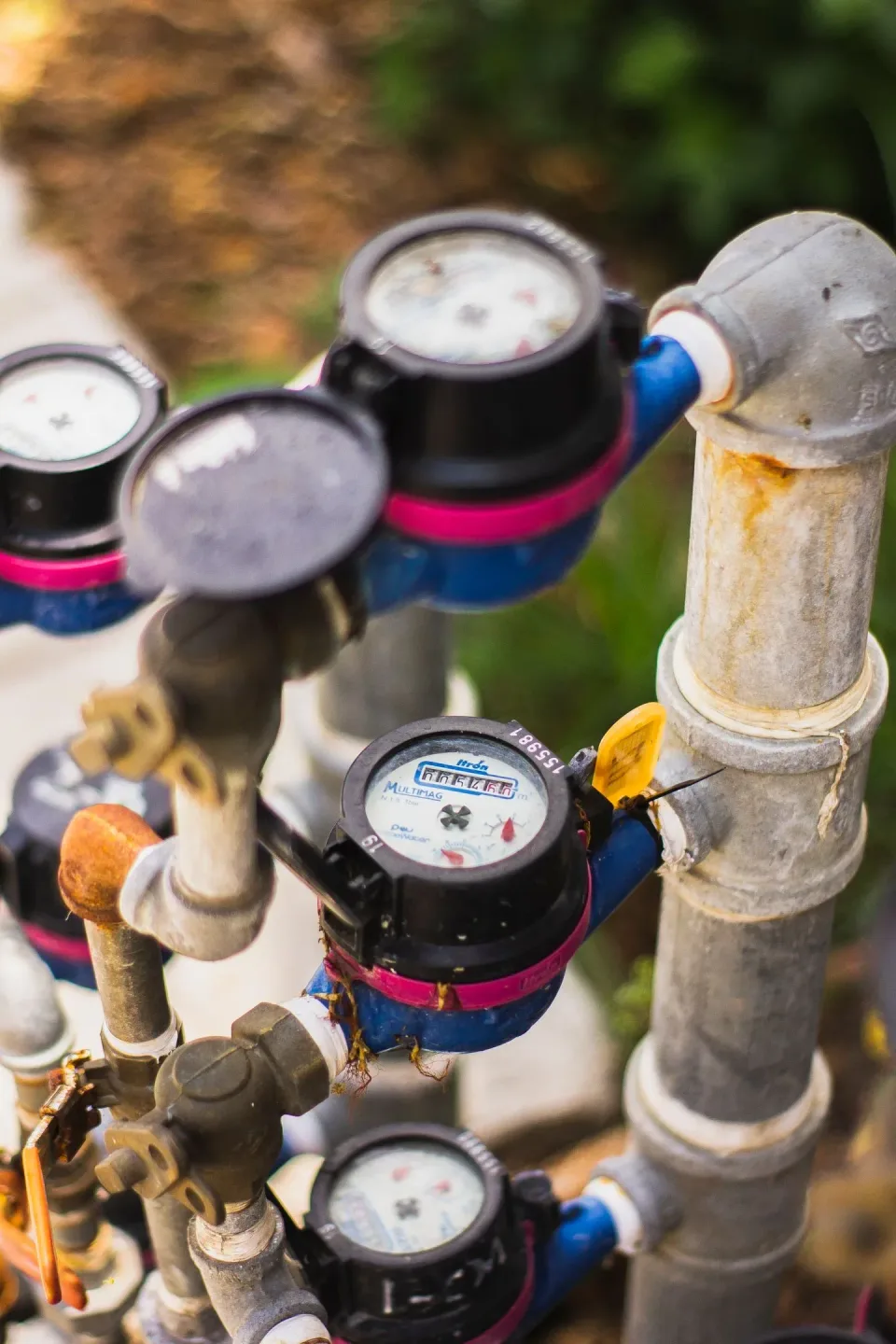
Before the appointment, note which fixtures lose hot flow and whether cold flow stays normal. That simple record can narrow the troubleshooting path. Keep the meter and water heater accessible; the crew may need to compare conditions at more than one point, and repairs may interrupt water service temporarily.
| Step | What to do |
|---|---|
| 1 | List each affected fixture and whether the problem occurs only on hot. |
| 2 | Clear access to the water heater and meter without moving connected equipment. |
| 3 | Point out recent filter, heater, or plumbing work that may relate to the change. |
| 4 | Protect nearby belongings and plan for a temporary water interruption if repair is approved. |
| 5 | Ask the plumber to test several fixtures after work so the original symptom is checked again. |
Sediment buildup in water pipes can restrict flow, so mention any persistent discoloration or debris rather than flushing unfamiliar equipment yourself. Central and South Florida receive intense seasonal rainfall, and hot, humid summers increase indoor moisture and pipe condensation; report damp areas so the plumber can distinguish condensation from a plumbing leak.
Get a Clear Answer for Weak Hot-Water Flow
A strong cold tap beside a weak hot tap usually points toward a restriction on the hot-water route, but the affected fixtures determine where to look first. A single slow faucet may have a local screen issue; weak hot flow at several fixtures deserves a check near the heater and shared piping.
Do not replace a pump or adjust a regulator based on one symptom. Mild winters reduce prolonged freeze risks across most of Florida, though North Florida occasionally experiences hard freezes that can affect exposed plumbing.
If the hot side is fading, leaking, or unreliable, contact Florida Plumbing Pros at (877) 773-0781. We’ll explain the findings and discuss approved options for Low Hot Water Pressure Repair.