What Should Florida Homeowners Check Before Pressure Repair?
A shower that loses force or a kitchen faucet that slows down can make a whole home feel off. Start by checking whether the problem affects one fixture or several, and whether cold and hot taps behave differently.
That simple comparison helps separate a clogged faucet tip from a broader supply issue. On a private well, seasonal drought can lower the water available to the system, so note whether the problem changes after dry periods.
Coastal groundwater salinity can also affect well water systems; tell your plumber if your home relies on a coastal well. Near the University of Florida in Gainesville, as elsewhere in the state, bring those observations to the visit. We use them to guide testing before recommending repairs.
Does low flow affect one fixture or the whole home?
If only one faucet is slow, check its aerator first; if several fixtures have weak flow, note that pattern before changing anything. Unscrew the faucet tip only if it comes off easily, rinse away visible grit, and reinstall it carefully. Don’t force a stuck fitting.
Compare the kitchen, bathroom, and shower, then check whether hot and cold water differ at the same fixture. A hot-only problem points toward a different area than weak flow from both sides.
If the symptom is a weak shower spray throughout the house, record whether other taps change when the shower runs. Our crew sees homeowners replace a fixture before noticing that multiple rooms are affected.
That detail matters more than guessing at a failed part. For more on shower symptoms, see why shower spray can be weak throughout a Jacksonville home.
What should a pressure reading tell you?
A pressure gauge can help, but record where and when you take the reading; Florida State University in Tallahassee is a useful reminder that North Florida homes and systems span different conditions, so a single number needs context. Compare a reading with fixtures closed to one taken while water is running. Those measurements answer different questions, and readings may change with demand and measurement location.
Write down which fixtures were open and whether the pressure dipped during a shower. Do not adjust a regulator or well equipment based on one unexplained gauge result.
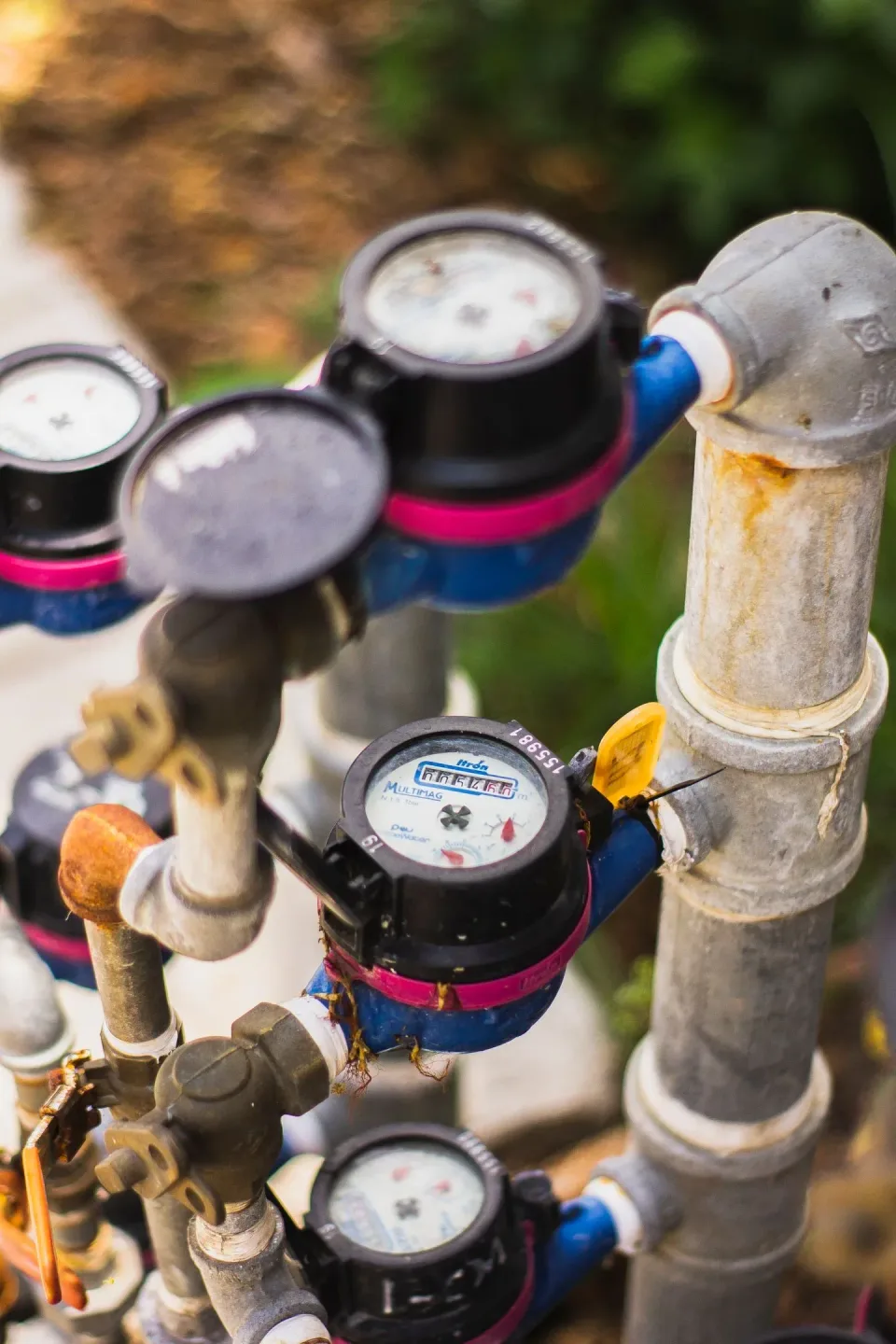
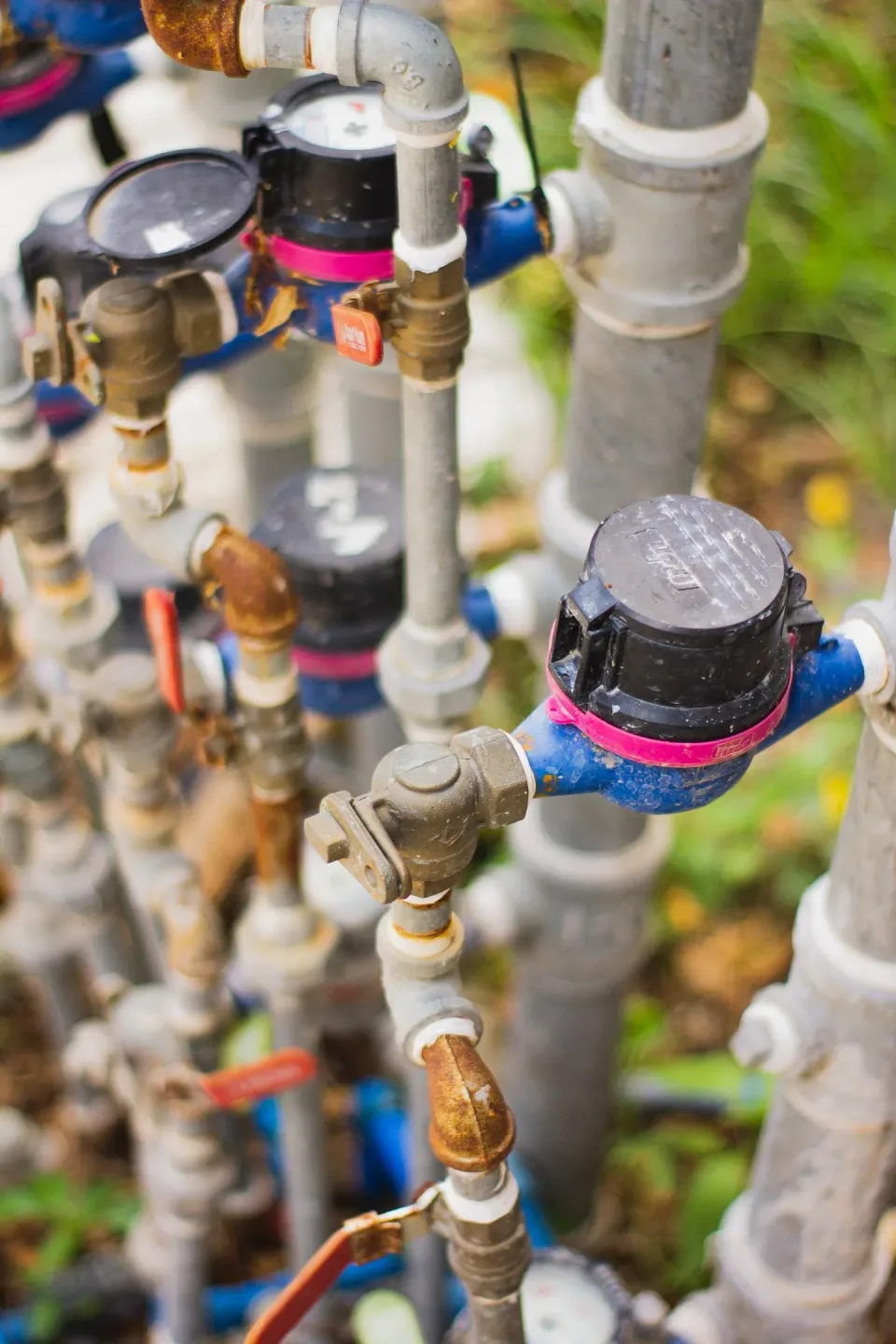
Around the Florida Turnpike corridor, travel and access can shape a visit, so clear notes help our team arrive ready to test the right points. If your home uses a well, mention the pump and tank symptoms rather than treating a pressure reading as a diagnosis.
Can you safely check the system yourself?
Homeowners can observe symptoms, clean an accessible aerator, and confirm that the main shutoff is not visibly turned partway off. Stop there if a valve is stuck, a fitting is corroded, water is leaking, or electrical equipment is involved. Do not open a pressure tank or alter pump controls.
Central and South Florida receive intense seasonal rainfall, which can complicate access to outdoor equipment and make water-related changes worth documenting. Frequent summer thunderstorms can also interrupt repair visits; if weather affects access, keep the equipment area clear and reschedule rather than working around wet electrical components.
Florida’s mild winters reduce prolonged freeze risks across most of the state, but that does not make pressure equipment safe to dismantle. Our rule is straightforward: observe and record; leave system adjustments to a plumber.
When should a plumber investigate the pressure loss?
Call for professional testing if several fixtures remain weak, pressure surges, water flow changes suddenly, or you see damp areas around a line. A whole-home problem can point to a restriction or leak that a faucet cleaning will not correct. Tell us whether the issue began after a service interruption, whether it affects hot or cold water, and what you observed at each fixture.
Summer heat can stress outdoor pressure tanks and pumps, so report unusual cycling or visible damage instead of resetting equipment repeatedly. The Overseas Highway connects communities where service access can take planning; clear access to your meter and equipment helps make an inspection more efficient.
Florida Plumbing Pros tests before recommending replacement and explains what the readings support. A focused visit beats a parts guess.
Which Pressure Check Fits the Problem?
The right next step depends on whether weak flow is limited to one outlet, affects the full property, or involves a private well. Warm temperatures support year-round plumbing repair scheduling in Florida, so you can arrange an assessment when symptoms persist.
Near the Fort Myers River District, salt air can speed corrosion on exposed metal plumbing; mention visible rust or pitting when describing the issue. Heavy rainfall can flood wells and damage pump equipment, so well owners should report recent flooding and avoid opening electrical components. Use this table to describe the likely system area, not to diagnose it yourself.
| Option | Best for | Key detail |
|---|---|---|
| Aerator cleaning | One slow faucet | A clogged tip can restrict one outlet |
| Regulator check | Whole-home pressure concern | Typical setting: 50–60 psi |
| Main water line assessment | Multiple weak fixtures | Copper service lines may be 3/4-inch or 1-inch |
| Booster pump assessment | Inadequate available supply | Residential pumps commonly range from 1/2–1 horsepower |
| Well tank assessment | Well pressure fluctuations | Tanks commonly hold 20–80 gallons |
How to Prepare for a Pressure Check
A few careful notes can help a plumber start with the right questions. Jacksonville International Airport, for example, is a familiar regional reference, but homeowners anywhere in the state can use the same preparation: make the equipment easy to reach and record what you observe.
Around Busch Gardens Tampa Bay, households may have different plumbing layouts; leave room around the pressure equipment rather than moving or opening it. If your home is near Everglades National Park, note whether any well equipment or access area was affected by local conditions. Keep these details handy:
-
Record the symptoms: Note which fixtures are weak and whether hot, cold, or both sides are affected.
-
Check the main shutoff: Locate it and confirm its position visually; do not force a stuck valve.
-
Clear access: Move stored items away from the meter, water heater, and pressure equipment.
-
Protect the work area: Move valuables from cabinets or floors near the likely plumbing access point.
-
Plan for interruption: Be prepared for water to be shut off during approved repair work.
-
Leave equipment closed: Do not open a well tank or handle pump wiring; share any visible warning signs with the plumber.
Ready to Get Help With Low Pressure?
Start with the pattern: one slow faucet may need a simple fixture check, while weak flow across rooms calls for a closer look at the supply. Hot, humid summers increase indoor moisture and pipe condensation, so don’t mistake dampness near a line for an ordinary surface issue.
Hurricane winds can damage exposed plumbing and service lines; after a storm, report visible damage and avoid touching compromised equipment. If you are near Clearwater Beach, describe any exposed pipe conditions that may be affected by the coastal setting.
Little Havana in Miami and the Tallahassee State Capitol are different parts of a broad service area, but clear symptom notes help in either place. For careful testing and a plain explanation of options, contact Florida Plumbing Pros at (877) 773-0781 or ask about Low Water Pressure Repair.